
How to Sell a Sole Trader Business in the UK (and the Tax You Pay)
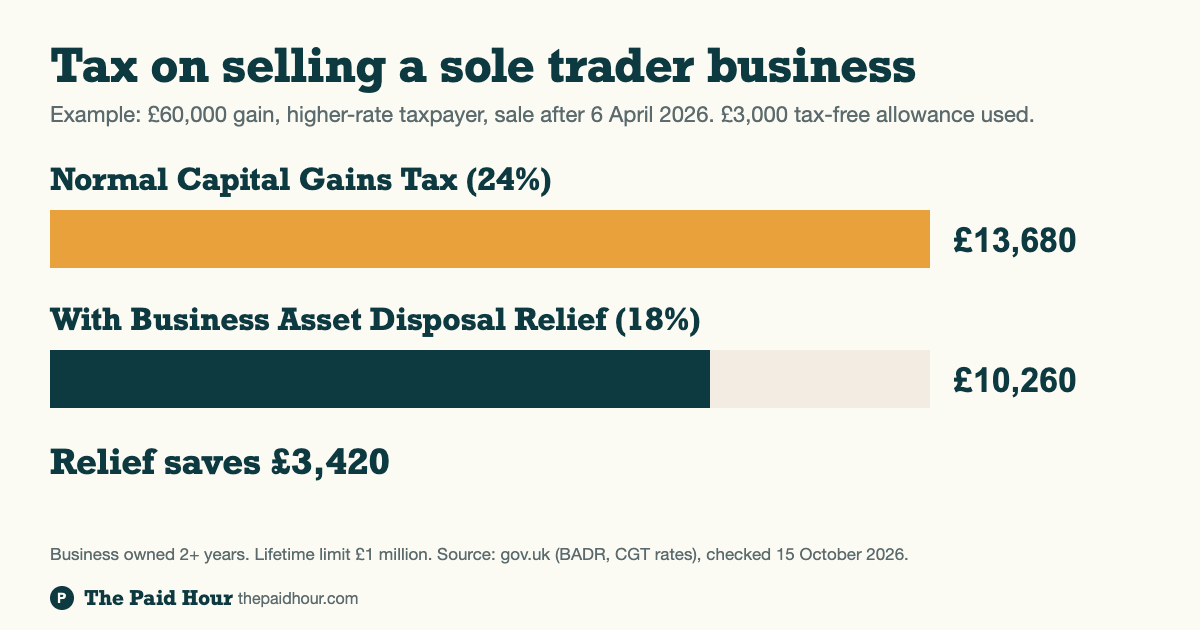
Yes, you can sell a sole trader business. What a buyer actually pays for, how to price it, where to find a buyer, and the 18% Business Asset Disposal Relief rate from April 2026.
Self Assessment, allowances, expenses and Making Tax Digital, in plain English. Every figure is checked against HMRC.
Yes, you can sell a sole trader business. What a buyer actually pays for, how to price it, where to find a buyer, and the 18% Business Asset Disposal Relief rate from April 2026.
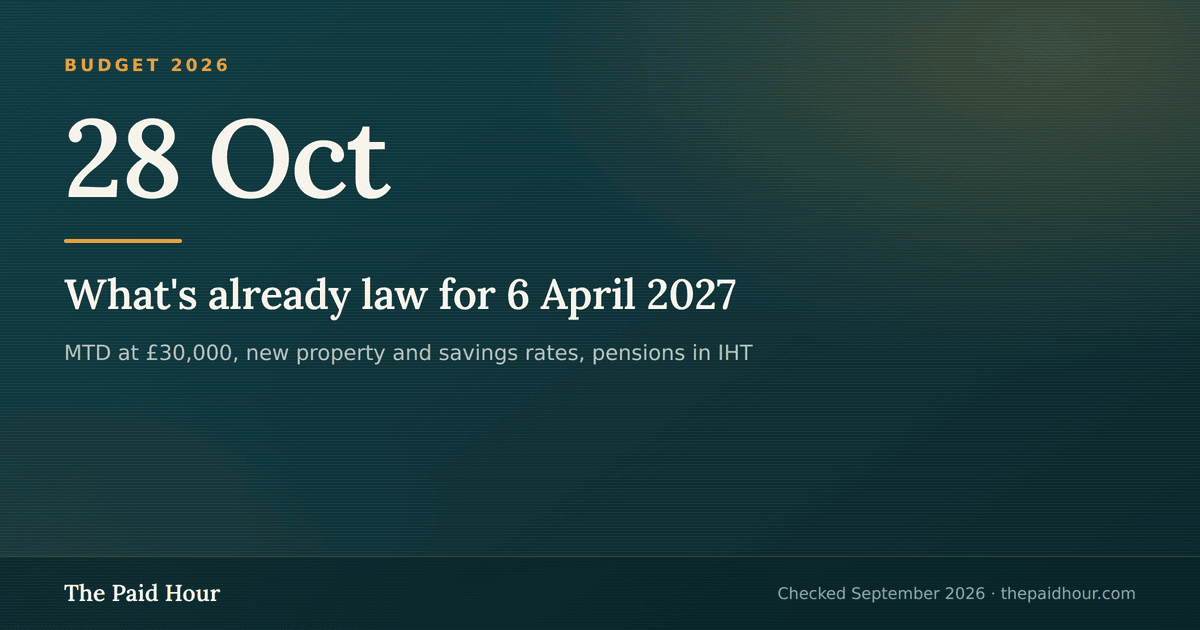
What the 28 October 2026 Budget means if you work for yourself: £3,000 trading allowance, permanent 55p mileage, 35p over 10,000 miles, MTD at £30,000, and higher tax on savings and property income.
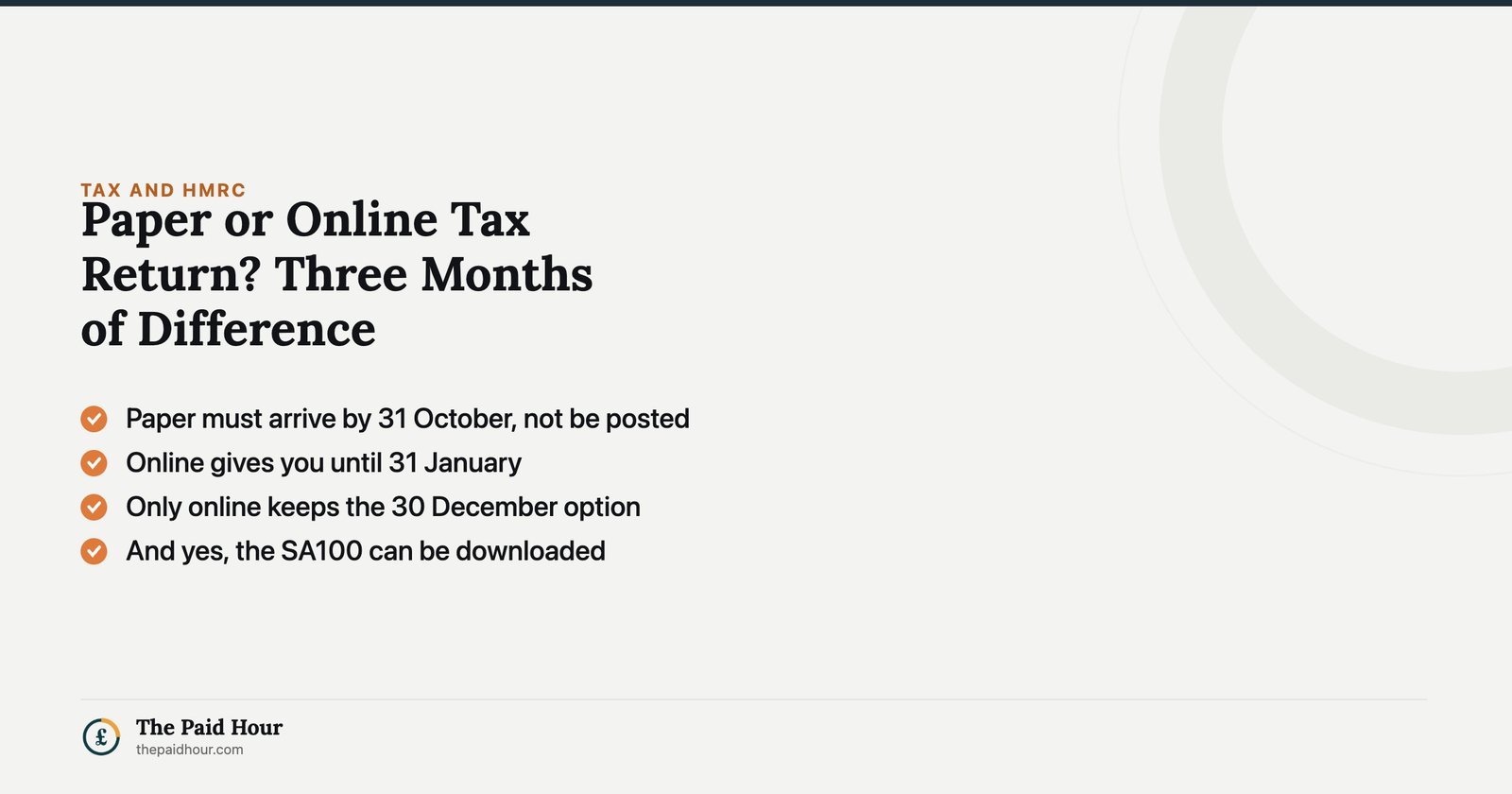
Paper must arrive by 31 October, online is due 31 January. Only online keeps the 30 December tax-code option open. And the SA100 can be downloaded.
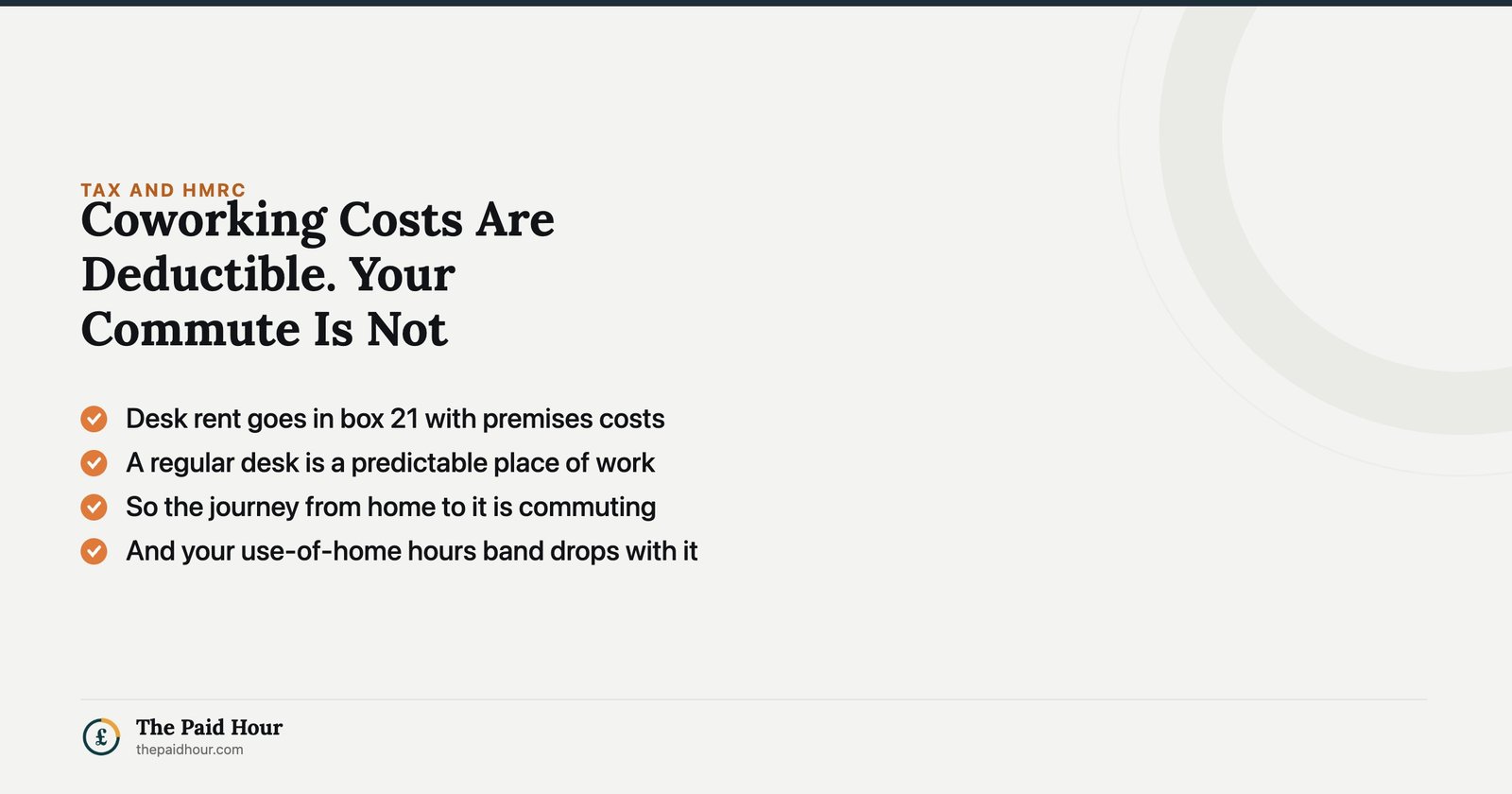
Desk rent goes in box 21 with your other premises costs. The catch: a regular desk becomes a predictable place of work, so the journey to it is commuting.
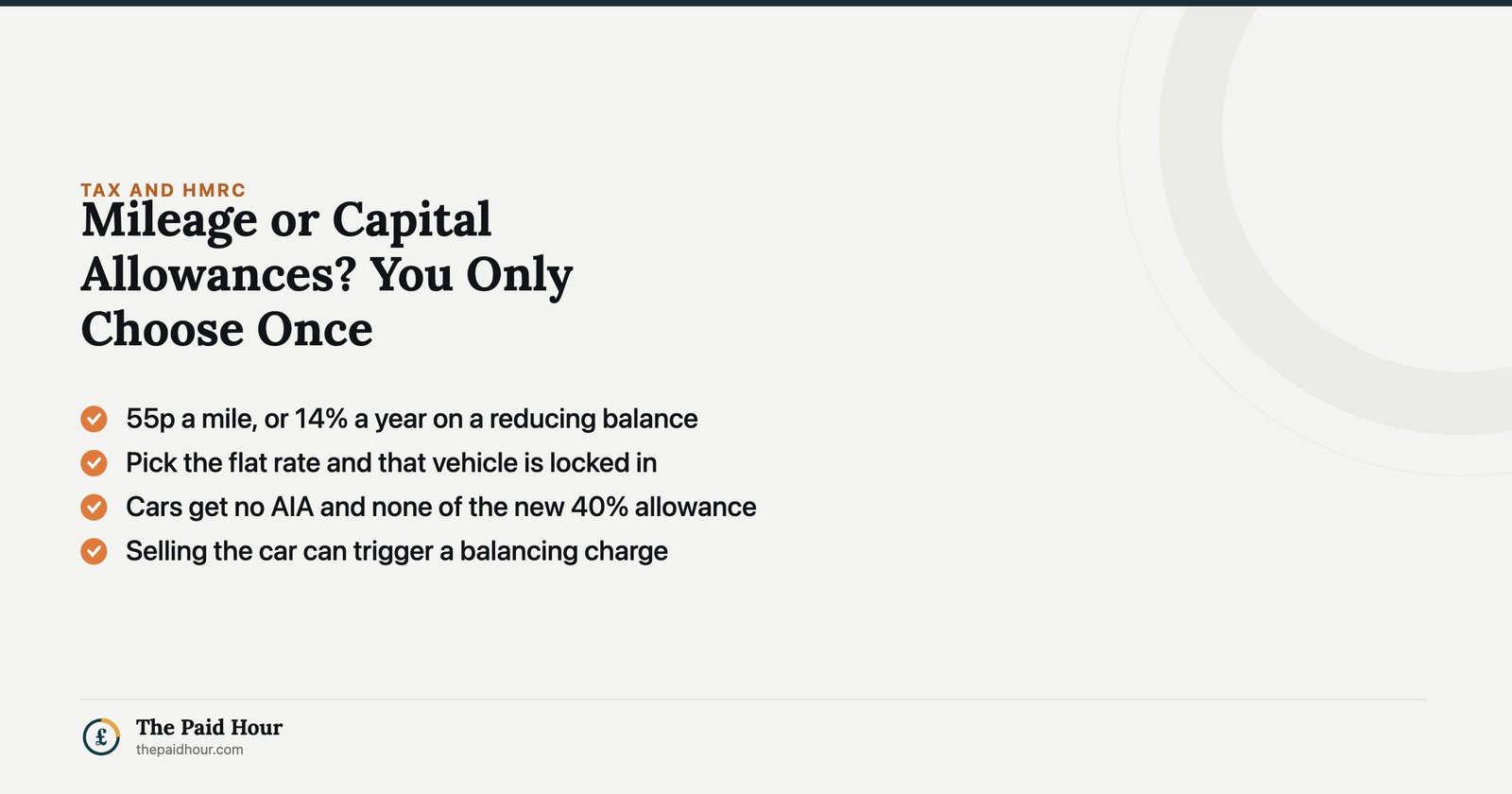
Claim the flat rate for a vehicle and you are locked in for that vehicle. And from 6 April 2026 a car in the main pool gets 14 per cent, not 18.
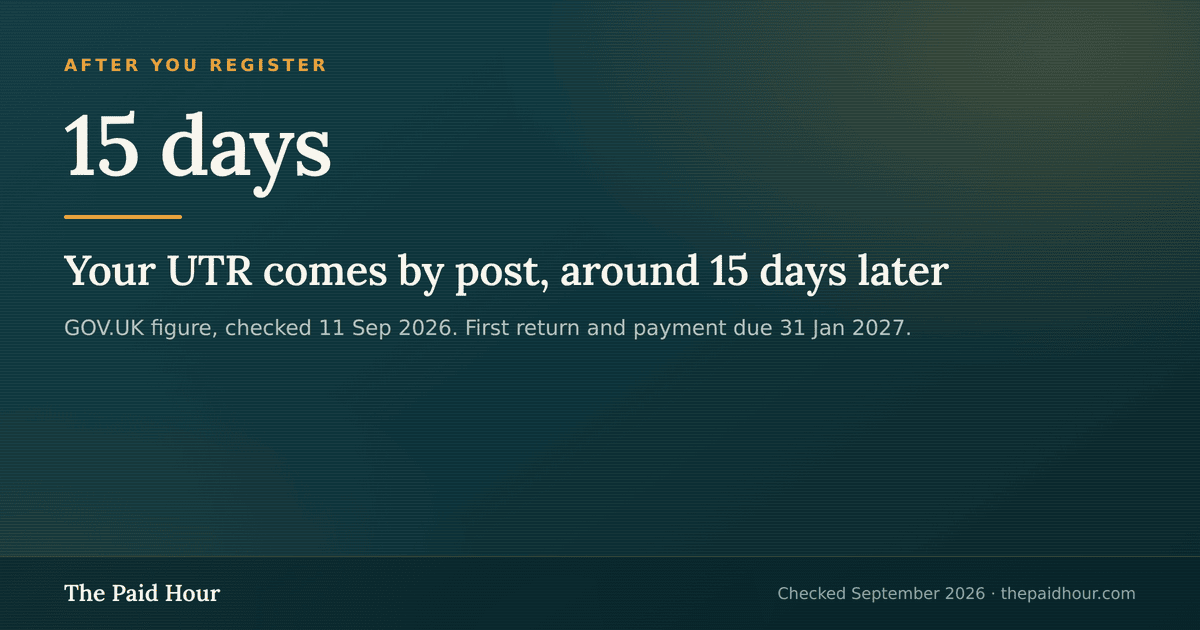
What happens after registering for Self Assessment: your UTR arrives by post around 15 days later, then you file and pay by 31 January 2027.
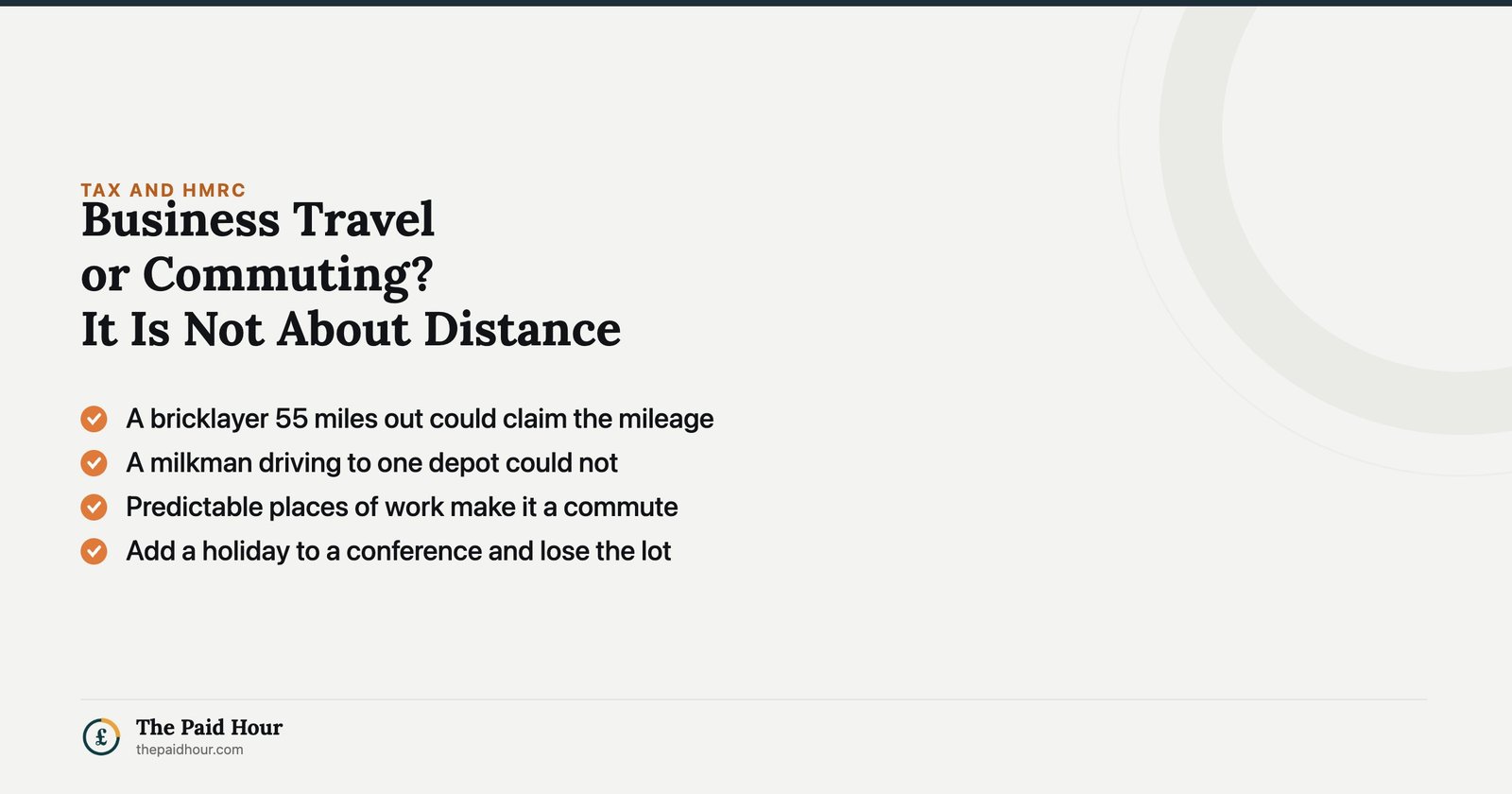
A bricklayer 55 miles from home could claim. A milkman driving to one depot could not. HMRC tests how predictable your places of work are, not how far.
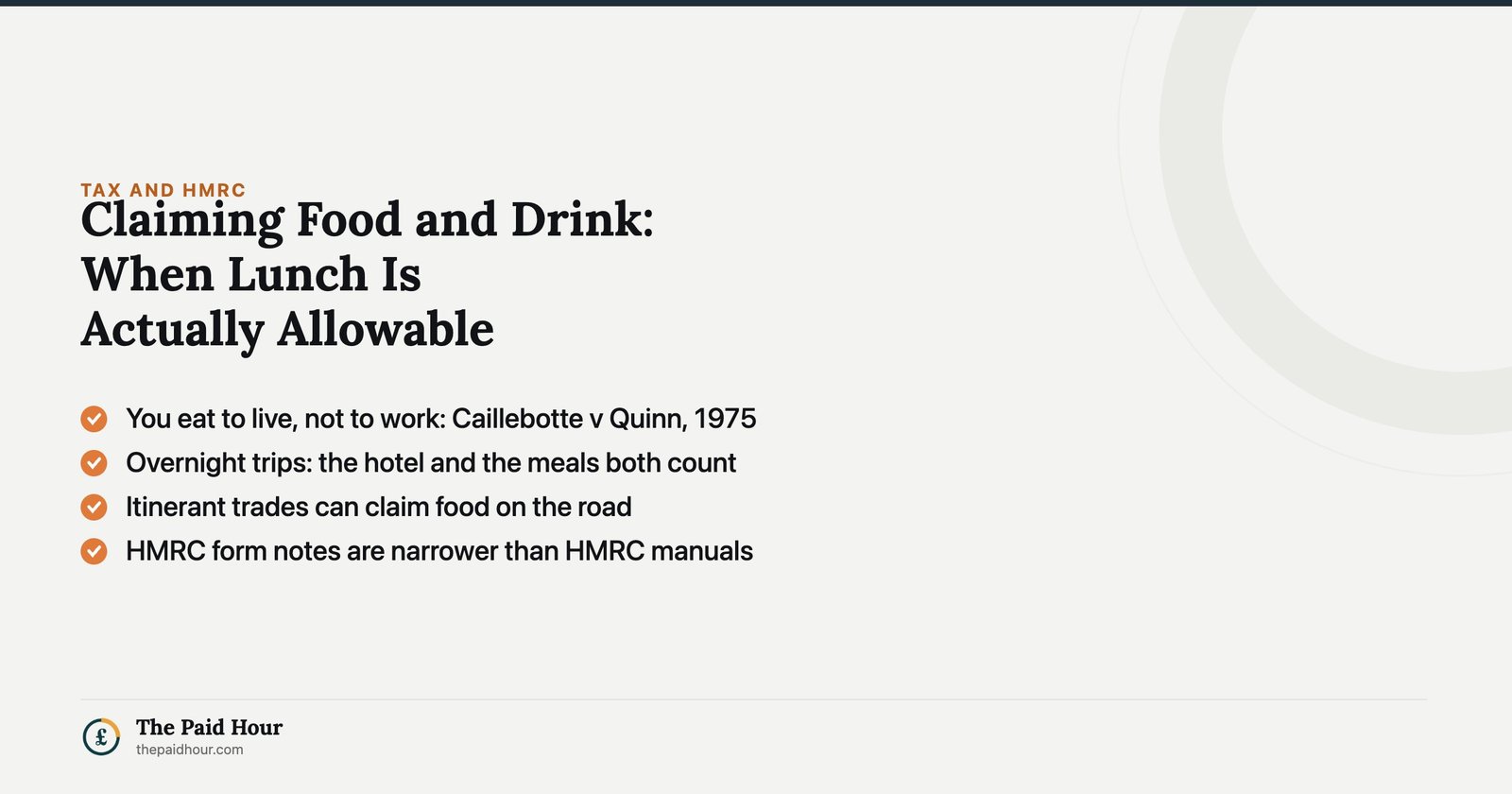
You eat to live, not to work, so everyday lunches fail. HMRC does allow food on overnight trips, for itinerant trades, and on journeys outside your pattern.
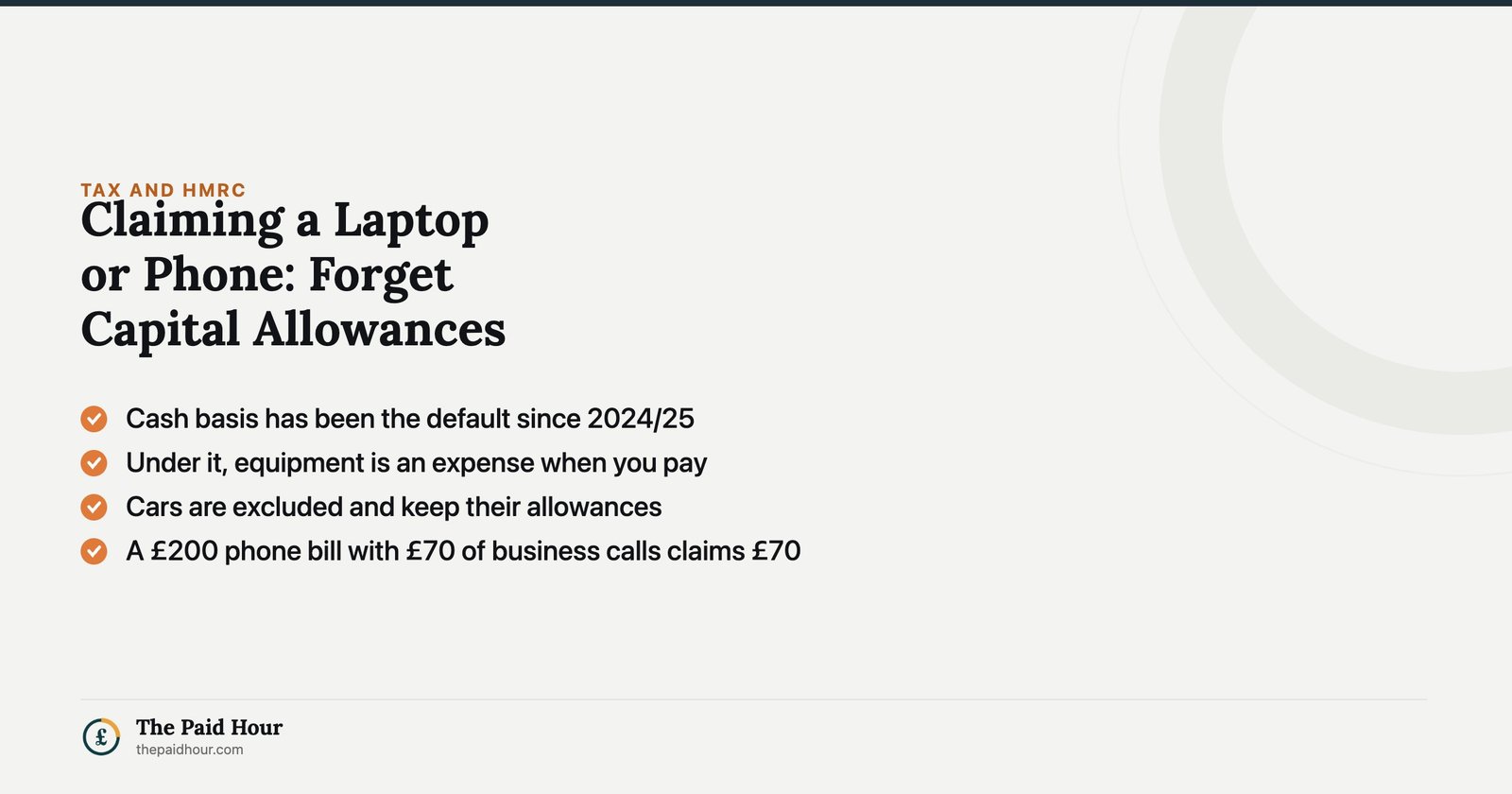
Cash basis has been the default since 2024/25, and under it equipment is just an expense when you pay for it. Cars are the exception; phones split by use.
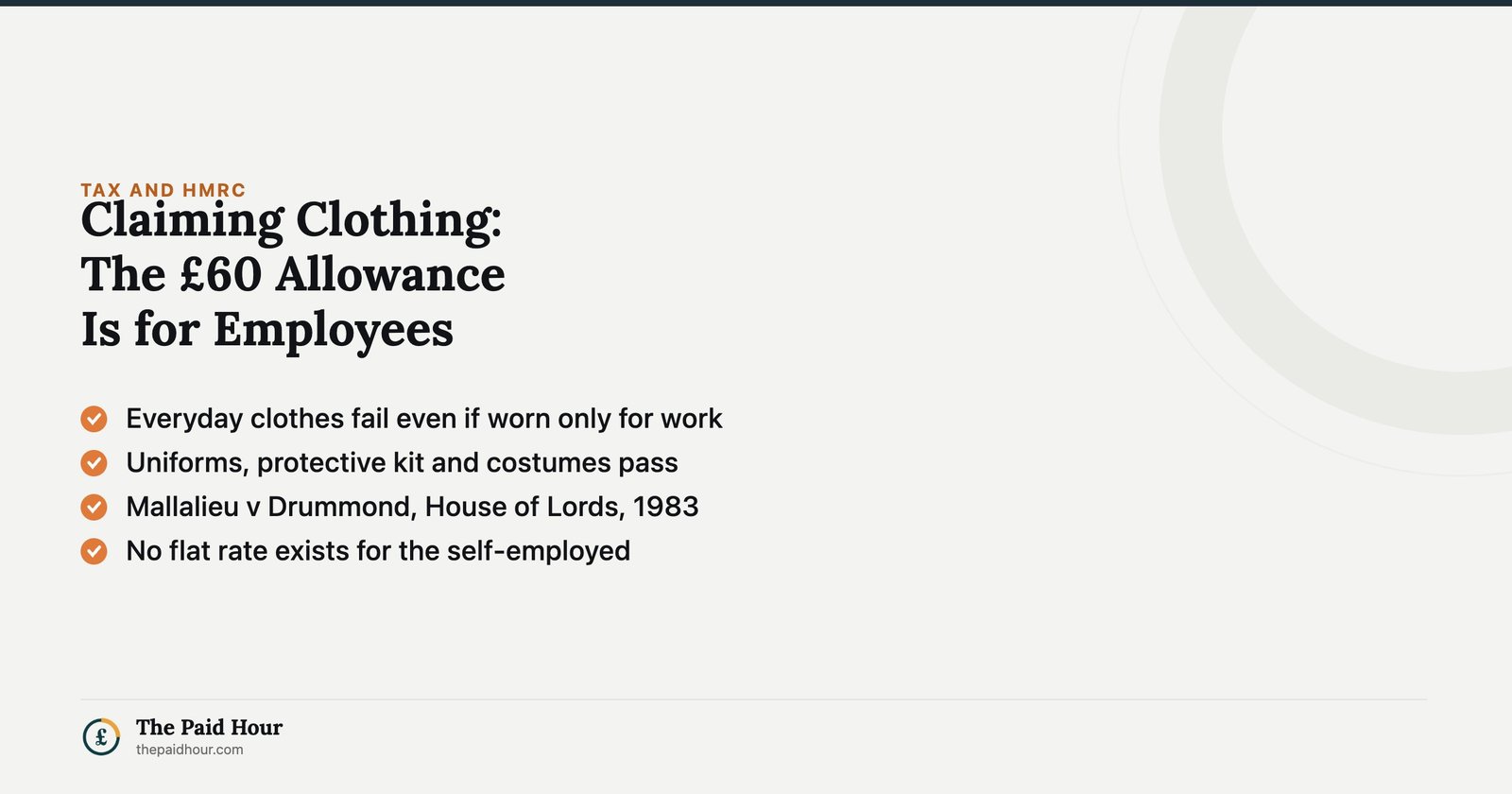
HMRC allows uniforms, protective clothing and costumes. Everyday clothes fail even if you only wear them for work, and the £60 flat rate is employees only.
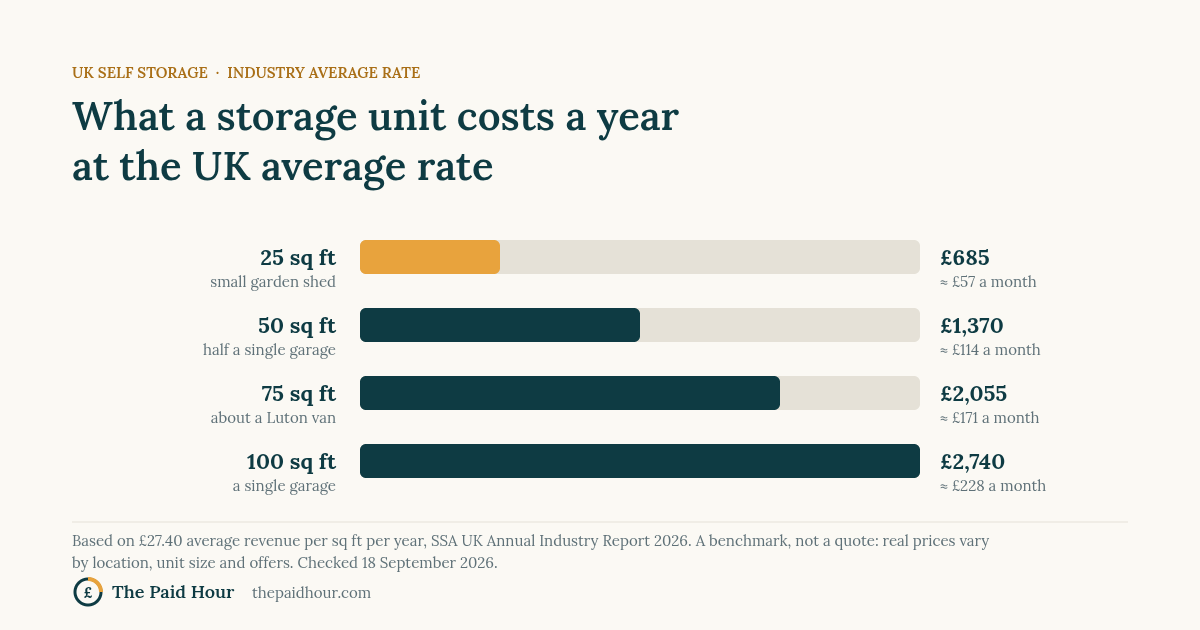
Self storage rent for stock or tools is an allowable expense. What a unit costs at the UK average rate, the VAT catch, and how to claim it on your return.
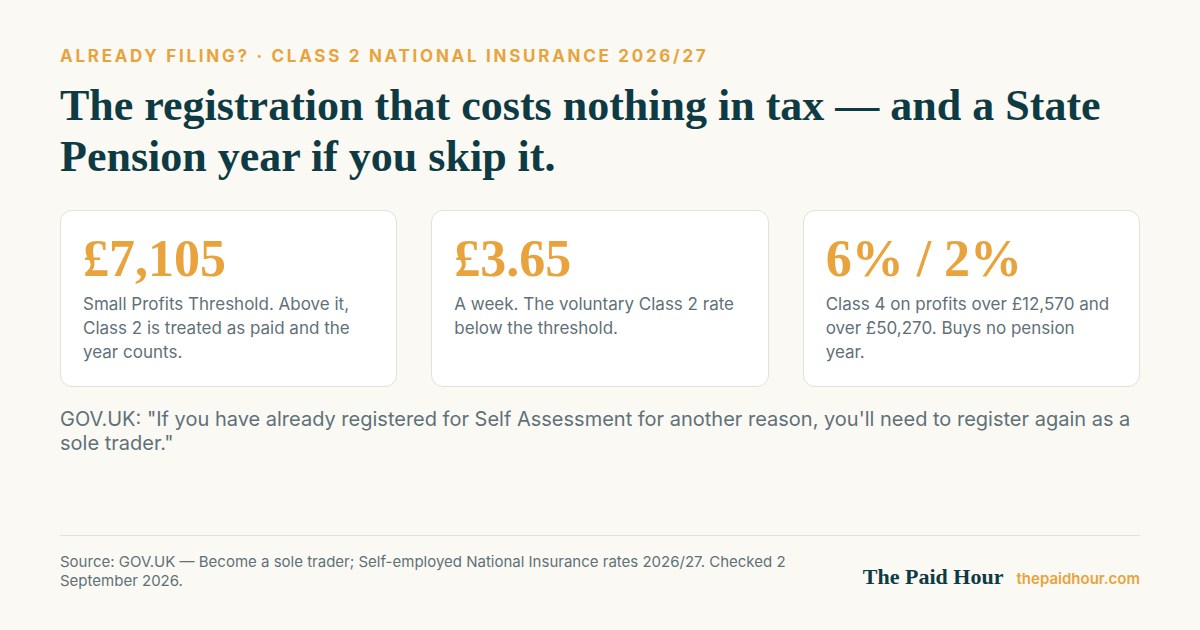
Already have a UTR? A new self-employment still needs registering with HMRC. How to reactivate your UTR, and what to do if you missed 5 October.