
UK Freelancer Statistics 2026: The Official Numbers
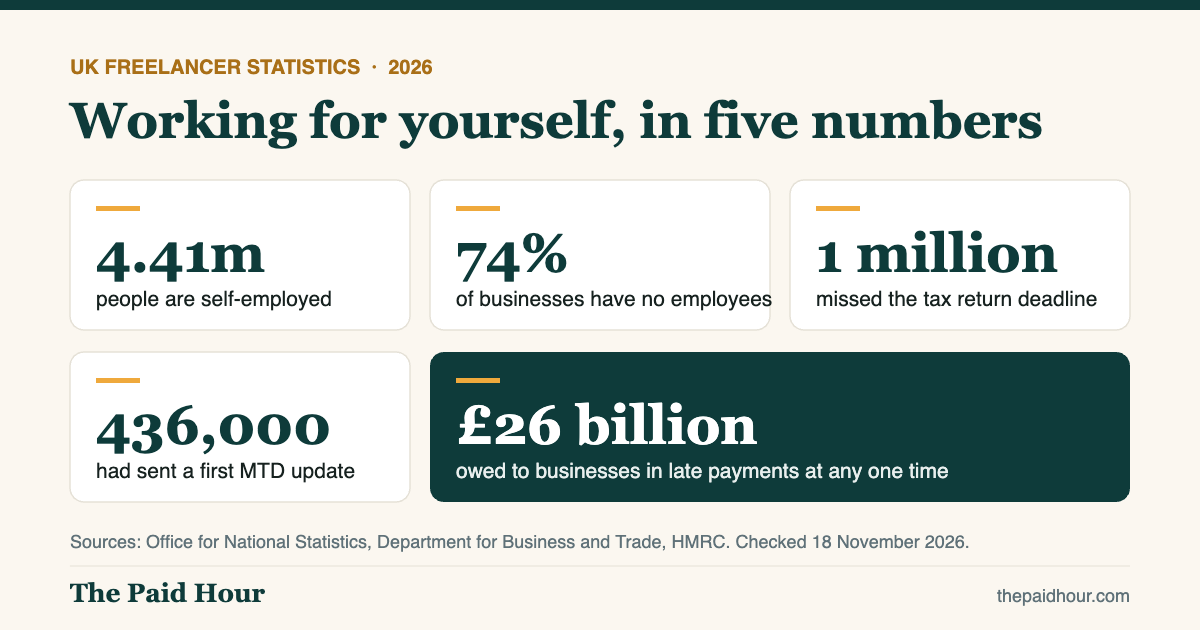
How many people are self-employed in the UK, who missed the tax deadline and how much is owed in late payments. Official 2026 figures, each one sourced.
Registering, naming, pricing and the rest of the freelance admin nobody hands you a checklist for.
How many people are self-employed in the UK, who missed the tax deadline and how much is owed in late payments. Official 2026 figures, each one sourced.

Tide company formation review: what £14.99 gets you against the £100 Companies House fee, what is not included, single-shareholder limit, free trials and who it suits.
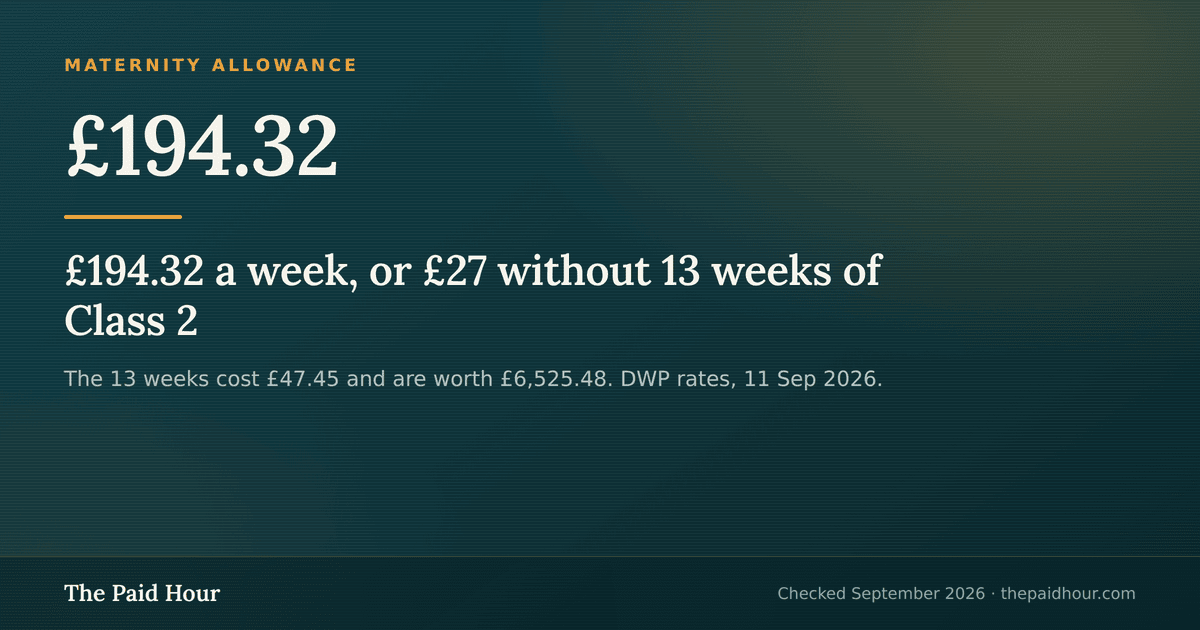
Maternity allowance self employed: £194.32 a week for 39 weeks in 2026/27, or £27 without 13 weeks of Class 2. Claim on form MA1 from 26 weeks.
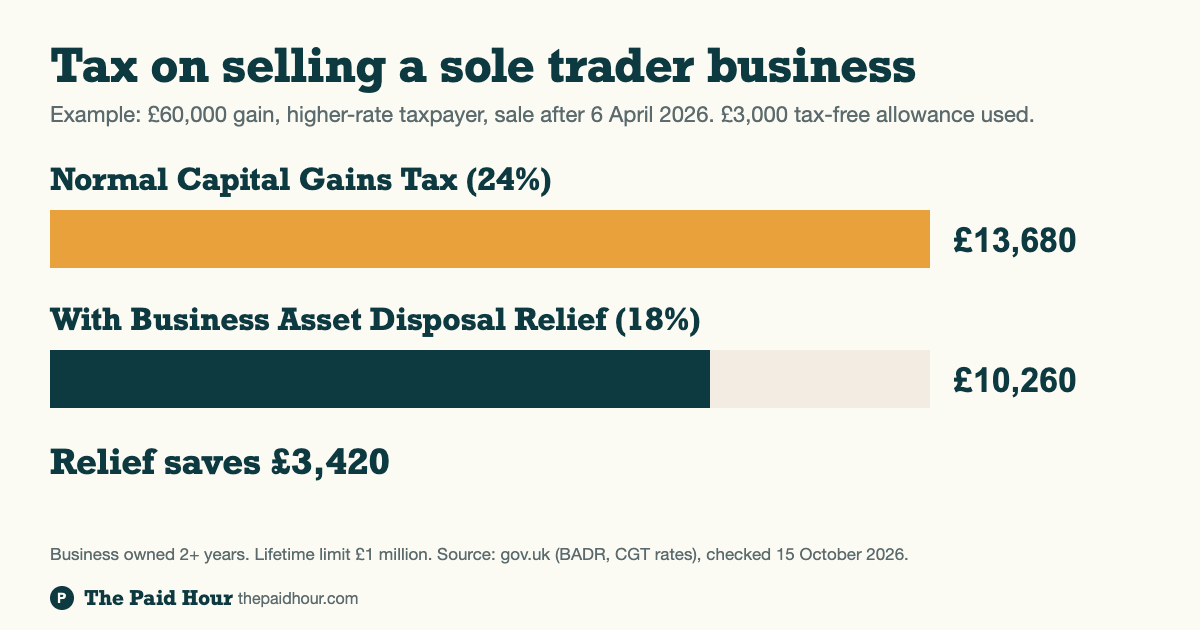
Yes, you can sell a sole trader business. What a buyer actually pays for, how to price it, where to find a buyer, and the 18% Business Asset Disposal Relief rate from April 2026.
Holding your rate is a pay cut. The signals you are underpriced, how much to raise by, how much notice to give, and what to say when a client pushes back.
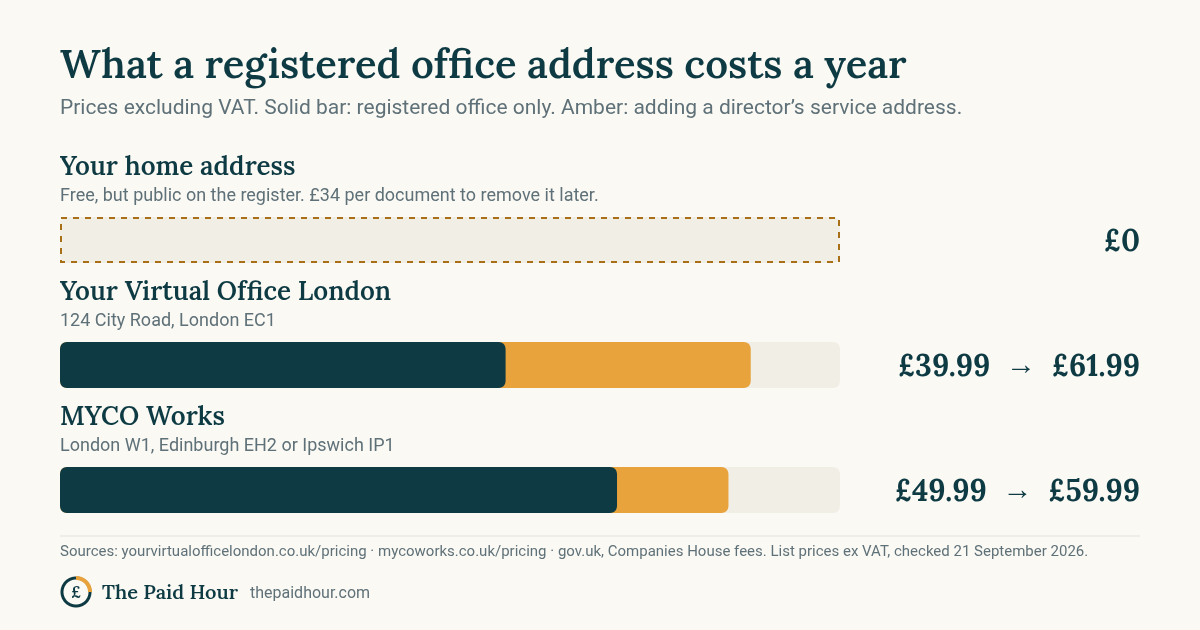
Form a limited company and your home address is public the same day. What a registered office service costs, the Companies House rules, and who needs one.
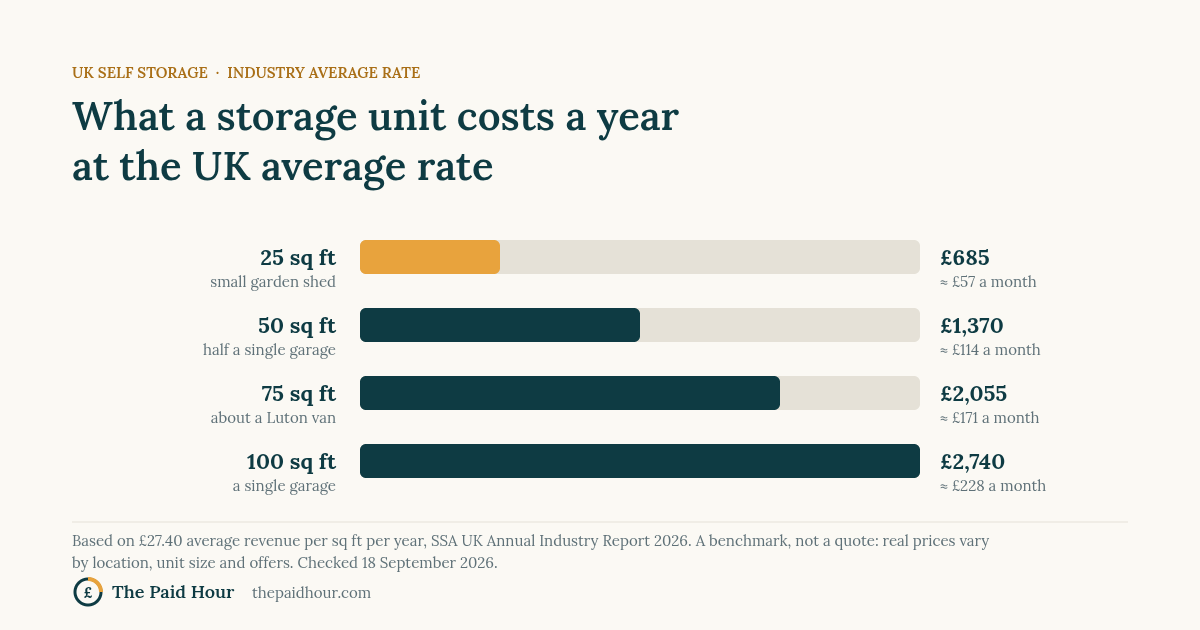
Self storage rent for stock or tools is an allowable expense. What a unit costs at the UK average rate, the VAT catch, and how to claim it on your return.
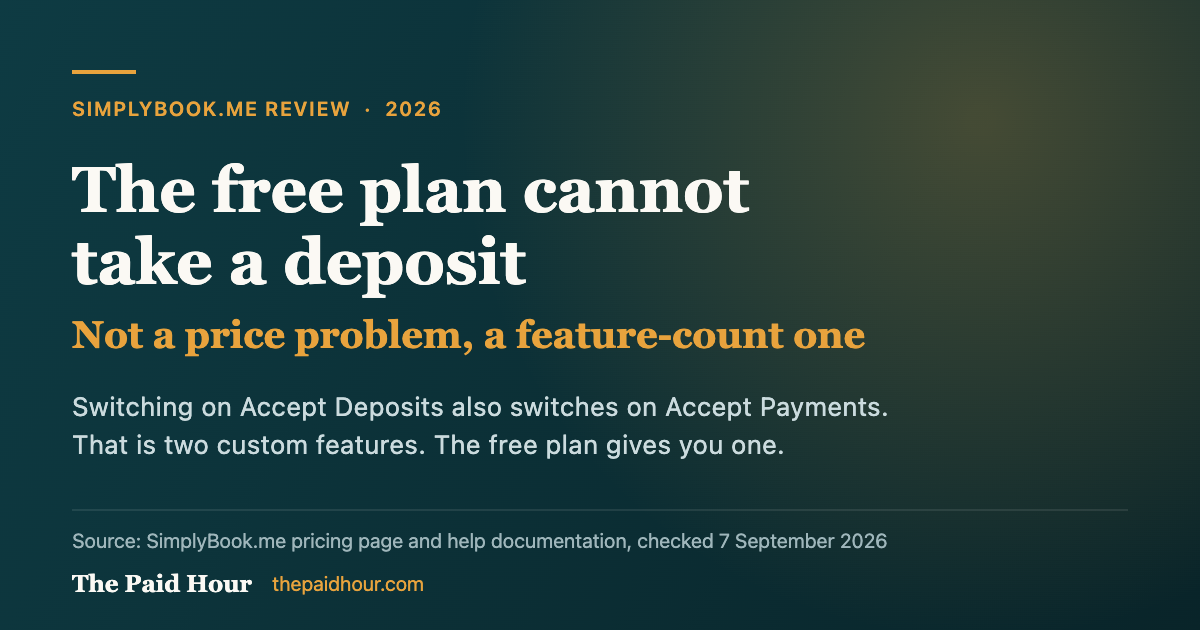
SimplyBook.me’s cancellation policy does not charge a no-show. Deposits do, and they need the Basic plan. What it really costs a UK mobile beauty business.
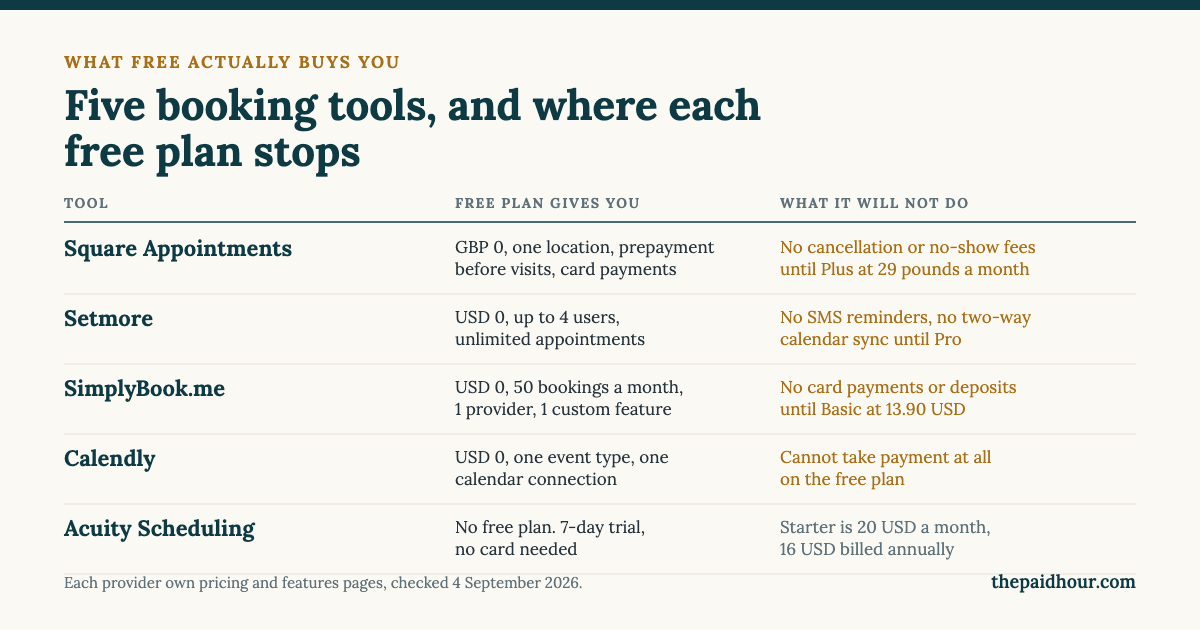
Square, Setmore, SimplyBook.me, Calendly and Acuity compared for UK sole traders: what each free plan really gives you, and the cheapest way to charge for a no-show.
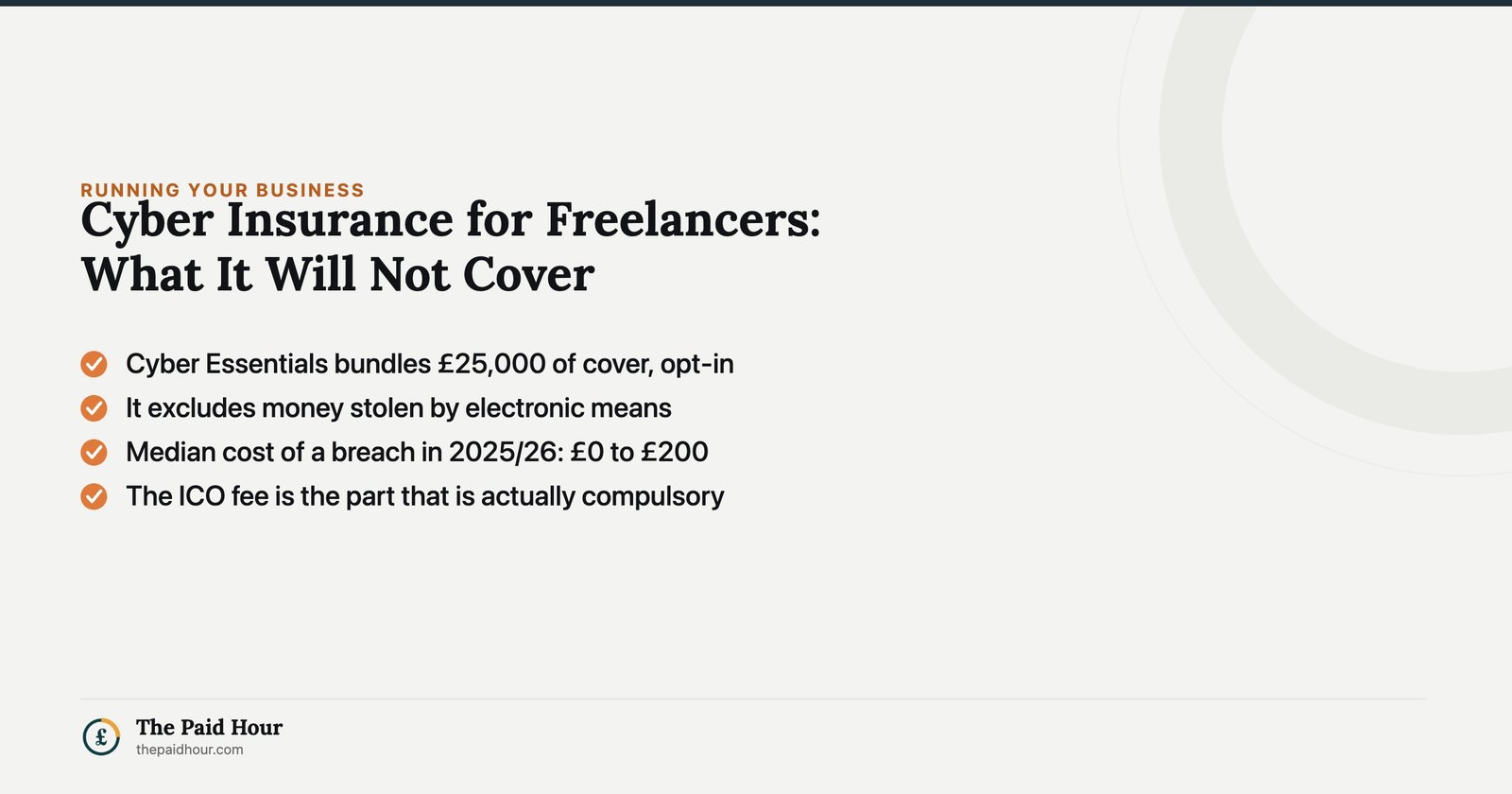
Cyber insurance for freelancers: Cyber Essentials bundles £25,000 of cover if you opt in, and excludes money stolen electronically. What to check first.
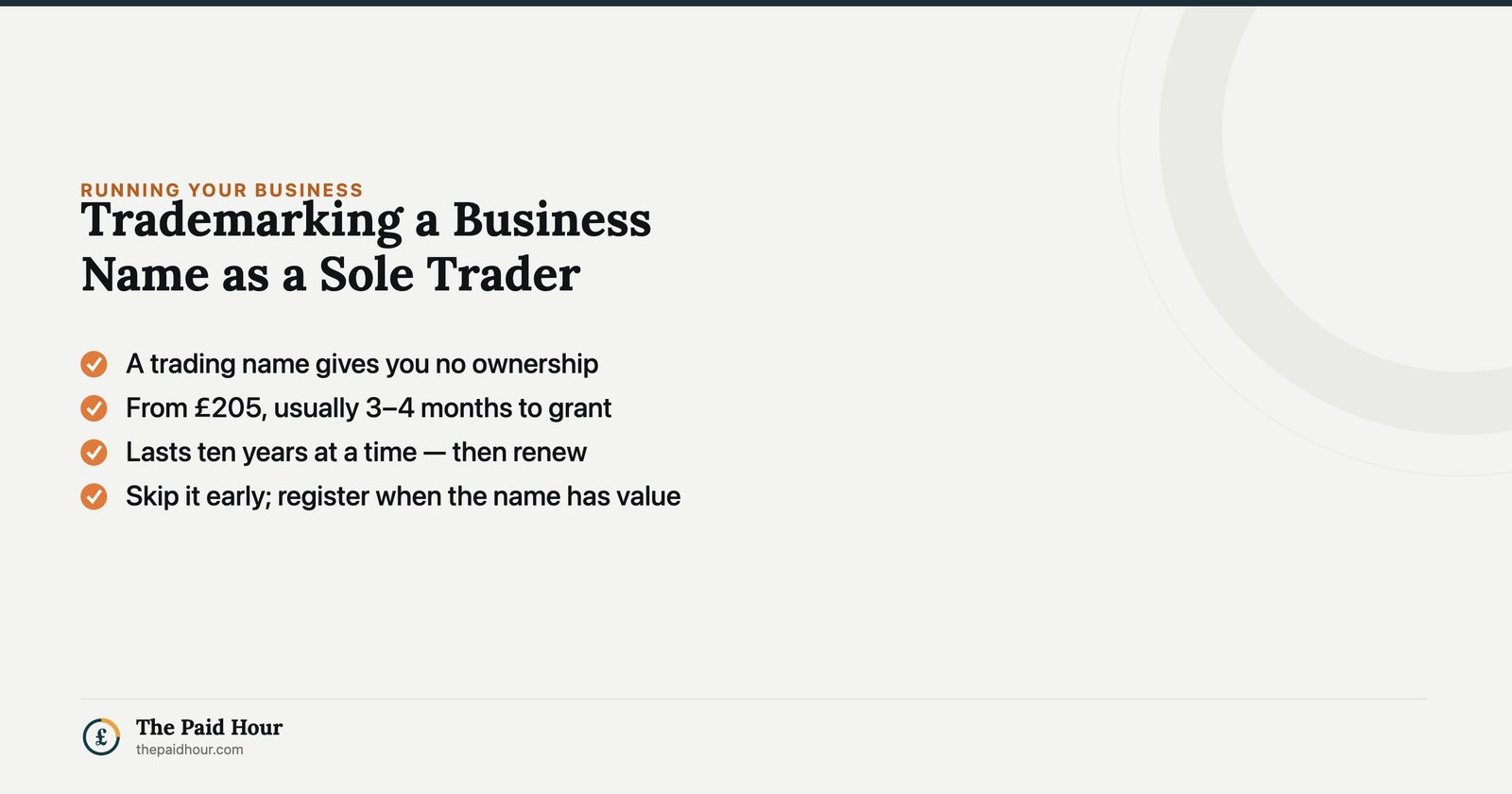
A trading name owns nothing, a registered trade mark does. What £205 buys, what you can’t register, and when a freelancer should bother.
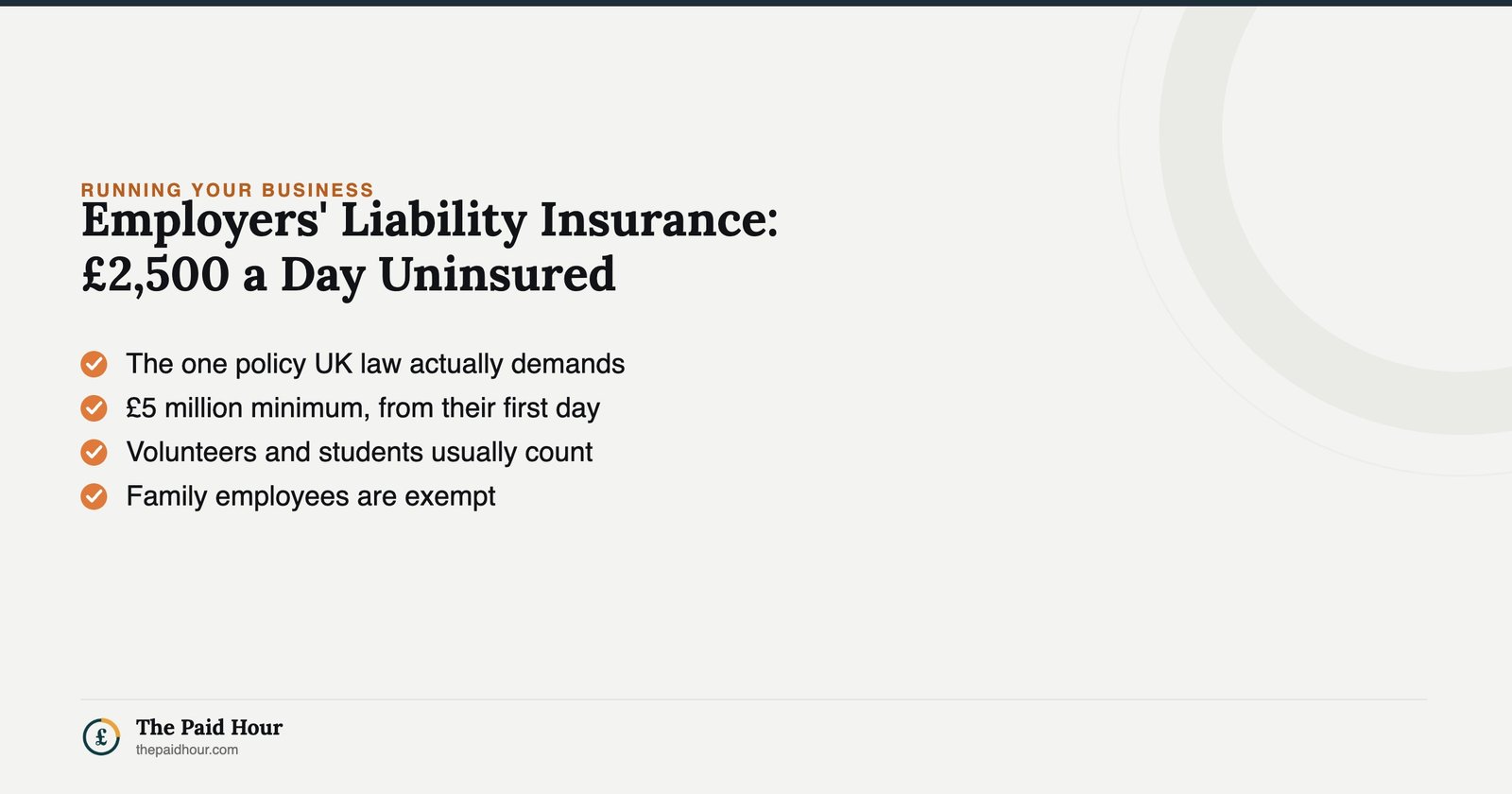
Employers’ liability insurance is the only cover UK law forces on a small business. When a sole trader counts as an employer, who is exempt, and the daily fine.
Start here
The parts of freelancing that are not tax and not software, and that nobody hands you a checklist for.
Start at the beginning if you are new: registering as a sole trader with HMRC, what you are allowed to call the business, and whether to stay a sole trader at all.
Then pricing, which is where most of the money is won or lost. Setting a day rate and choosing between a day rate and a fixed price cover the arithmetic; budgeting on irregular income covers what happens after the money arrives. Before the work starts, the contract clause checklist is worth twenty minutes.
On the obligations nobody mentions until they apply: whether you need to register with the ICO and pay the data protection fee, when working from home triggers business rates, what changes when you hire a subcontractor, and whether to trademark the name.
Insurance sits here too: what a sole trader actually needs, and separately public liability, professional indemnity and employers’ liability, which becomes a legal requirement the moment you have an employee.
Checked 26 August 2026. General information, not legal or financial advice.